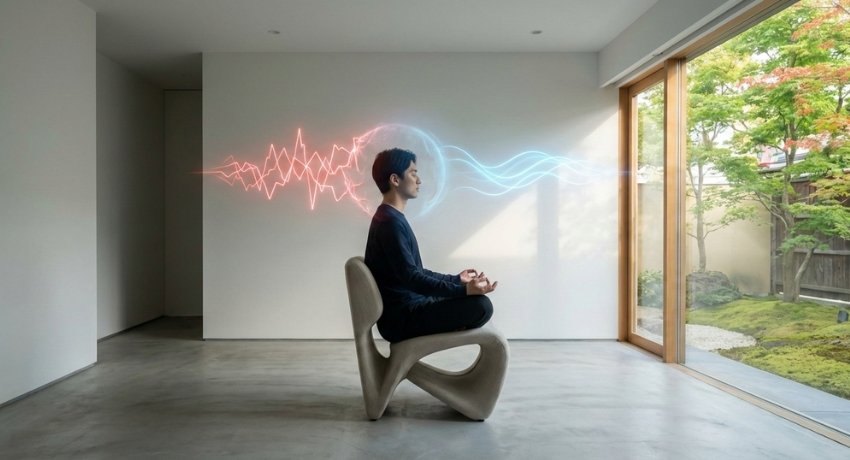
Life is a mess. Stress, worry, overthinking, and an endless to-do list bog us down. In a world where humans grab for distractions—scrolling aimlessly, binge-watching TV, or drowning in unhealthy habits—meditation emerges as the ultimate coping mechanism. It’s free, ubiquitous, and evidence-based to guide you through life’s turbulence.
Why Meditation Works as a Coping Mechanism
The mind is a browser with too many open tabs. Meditation is the refresh button that shuts off the ones you don’t need. It doesn’t remove problems, but it alters the way you react to them. Instead of going round and round into panic or frustration, meditation teaches you to watch your feelings without being overtaken by them.
1. Reduces Stress and Anxiety
Stress triggers the fight-or-flight response, surging your body with cortisol. Meditation decelerates this response, lowering stress hormones and engaging the parasympathetic nervous system. Research indicates that mindfulness meditation reduces anxiety substantially by allowing individuals to disengage from excessive thinking and rumination.
2. Enhances Emotional Regulation
Ever snapped at someone and wished afterwards that you had not? Meditation raises awareness of the self, so you can catch feelings before they take over. Consistent practice build the prefrontal cortex, the area of the brain that enables rational decisions, making it simpler to control emotional outbursts.
3. Increases Focus and Clarity
Meditation increases focus by conditioning the brain to remain present. Science indicates that even a few minutes of mindfulness each day will enhance cognitive skills, keeping you productive and making you a better decision-maker.
4. Improves Sleep
Insomnia is commonly brought about by an active mind. Meditation calms mental activity, which enhances sleep quality and makes it more convenient to doze off. Mindfulness exercises such as body scan and breathing can be particularly helpful for restless nights.
5. Promotes Self-Compassion
Life is hard enough without being your own worst critic. Meditation fosters self-acceptance, reducing negative self-talk. Loving-kindness meditation, in particular, helps cultivate kindness toward yourself and others, creating a more positive inner dialogue.
Different Types of Meditation for Coping
Not all meditation styles work for everyone. Finding the right one is key to making it a sustainable coping tool.
1. Mindfulness Meditation
This is the most popular type. You concentrate on your breath, body feelings, or environment, conditioning your mind to remain present. It’s ideal for people who struggle with stress, anxiety, or runaway thoughts.
2. Guided Meditation
Best for beginners, guided meditations have a teacher or an app guide you through the process. These can be relaxation, self-love, or sleep, depending on what you require.
3. Transcendental Meditation
TM is repeating a mantra silently to move beyond normal thought. Research indicates it decreases anxiety and improves overall well-being.
4. Body Scan Meditation
This technique is scanning your body from head to toe, paying attention to each area. It’s great for releasing tension in the body and decreasing stress.
5. Loving-Kindness Meditation
If you find self-criticism or resentment challenging, this practice assists in developing compassion by concentrating on sending love and kindness to yourself and others.
How to Incorporate Meditation into Your Routine
Most people shun meditation because they believe it takes hours of dedication. In fact, even a few minutes can be life-changing.
1. Start Small
Start with 2–5 minutes per day. Even this brief practice can make significant changes in your thinking.
2. Establish a Habit
Associate meditation with a current habit, such as after brushing your teeth or before bed. Consistency is more important than time.
3. Leverage Technology
Apps such as Headspace, Calm, or Insight Timer provide guided meditations for various purposes.
4. Be Patient
Meditation isn’t about getting to a blank mind—it’s about watching your thoughts without judgment. Some days will be easier than others, and that’s fine.
The Science Behind Meditation’s Benefits
Meditation isn’t spiritual woo-woo—it’s supported by neuroscience. MRI scans in studies show that frequent meditation:
– Thickens the prefrontal cortex, enhancing decision-making and emotional control.
– Reduces the size of the amygdala, the brain’s fear center, decreasing stress reactions.
– Increases gray matter, improving memory, concentration, and creativity.
– Boosts dopamine and serotonin levels, which enhances happiness and well-being.
Meditation as a Long-Term Coping Strategy
As opposed to speedy fixes such as social media scrolling or emotional eating, meditation gives long-term relief. It empowers you with the skill to surf life’s peaks and valleys without being engulfed by them. With time, you build inner peace that nothing in the outside world can upset.
Conclusion
Meditation is not a magic pill, but it’s as close to one when it comes to mental toughness. It allows you to disentangle from the negative, answer challenges with a clear head, and discover peace amidst the noise. If you’re fighting against stress, anxiety, or simply the grind of everyday life, meditation is the ultimate survival tactic—one breath at a time.